Vacuum Deposition Equipment Built Around Your Process
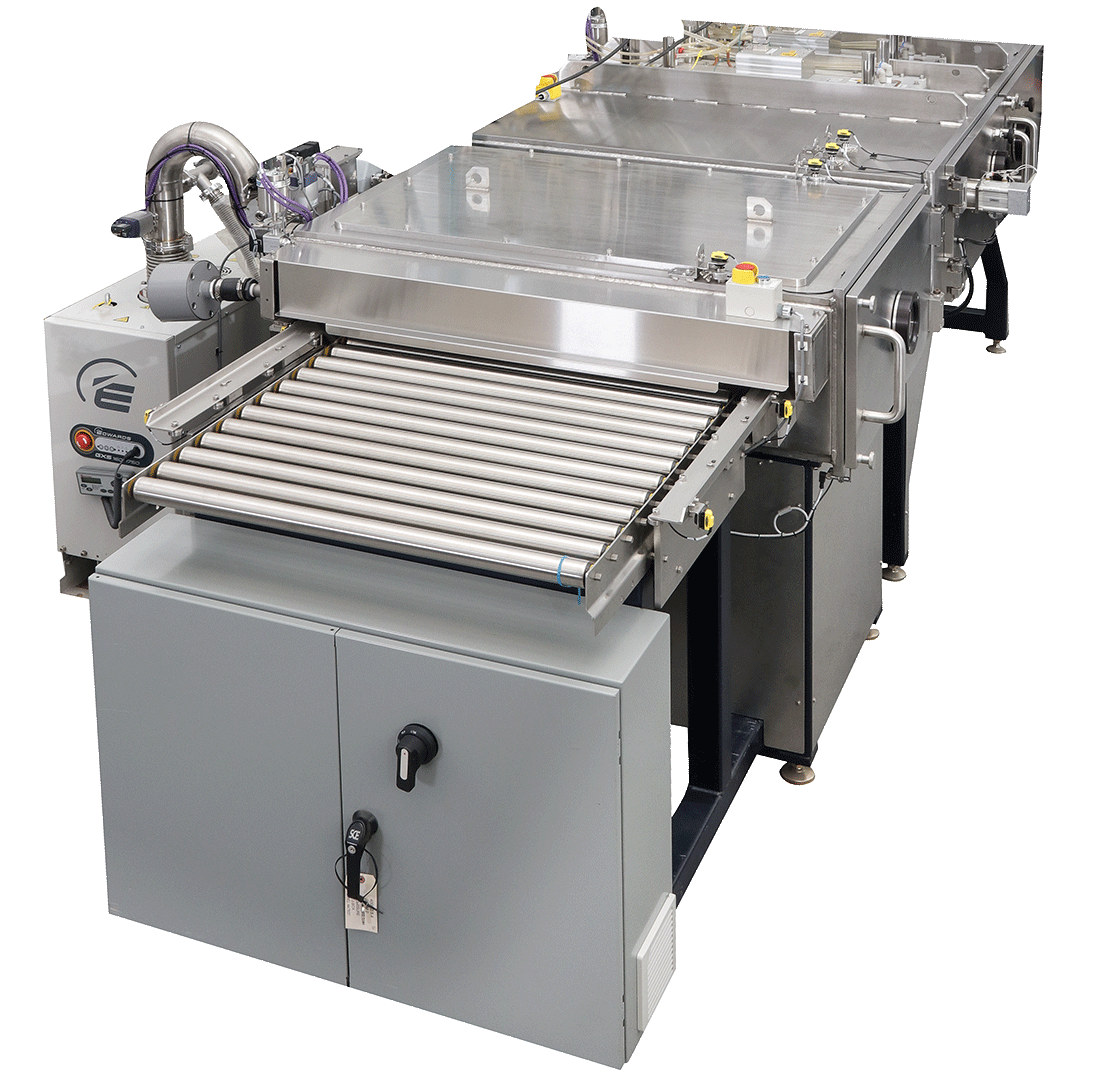
Our engineers design inline vacuum coating systems around your materials, applications, and target film performance—at the production pace your operation demands. Whether you’re coating glass, plastic, metal substrates, or product-specific components, the system delivers the required film properties while keeping parts moving efficiently through the line.
That flexibility also extends to process selection. Sputtering deposition is a common choice for many applications, but it’s not the only option. Depending on your coating requirements, systems may incorporate evaporation, along with pre- and post-treatment steps that support adhesion, durability, or surface conditioning. The goal is always the same: build a process that works reliably in production.
Engineered for Long Runs and Real Production Demands
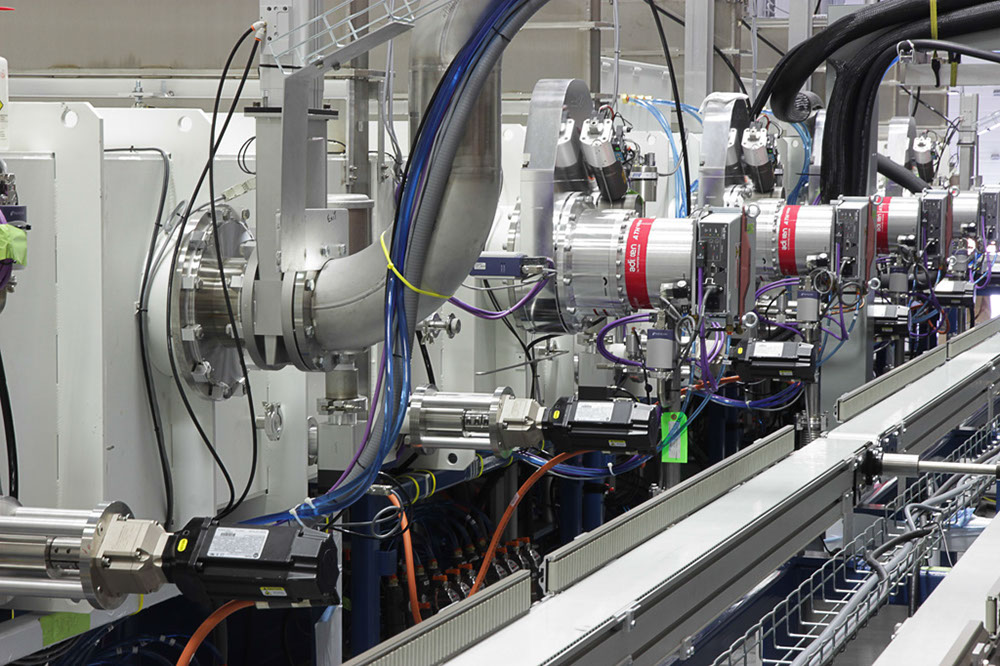
Inline systems live on the production floor, so they have to perform day after day without becoming a bottleneck. Dynavac’s inline vacuum deposition systems are built with that reality in mind, using modular vacuum chambers, robust transport mechanisms, and integrated control systems that support continuous operation. Automation isn’t an add-on; it’s part of how the system is designed from the start.
By maintaining a stable vacuum environment and consistent process conditions, inline systems help reduce variation across large production runs. That consistency translates directly into higher yields, fewer rejected parts, and less time spent chasing process drift. For manufacturers scaling output or tightening quality requirements, those gains can make a measurable difference.
Inline systems live on the production floor, so reliability isn’t optional. Dynavac’s inline vacuum deposition systems are built for continuous operation, using modular vacuum chambers, robust transport mechanisms, and integrated controls that maximize uptime and deliver consistently low MTBF.
By maintaining a stable vacuum environment and steady process conditions, inline systems reduce variation across long production runs. That stability drives higher yields, fewer rejects, and lowers cost of ownership—key advantages for manufacturers scaling output or tightening quality requirements.